Cuckooing Chaos: The Whacky World of European Cuckoo Birds!
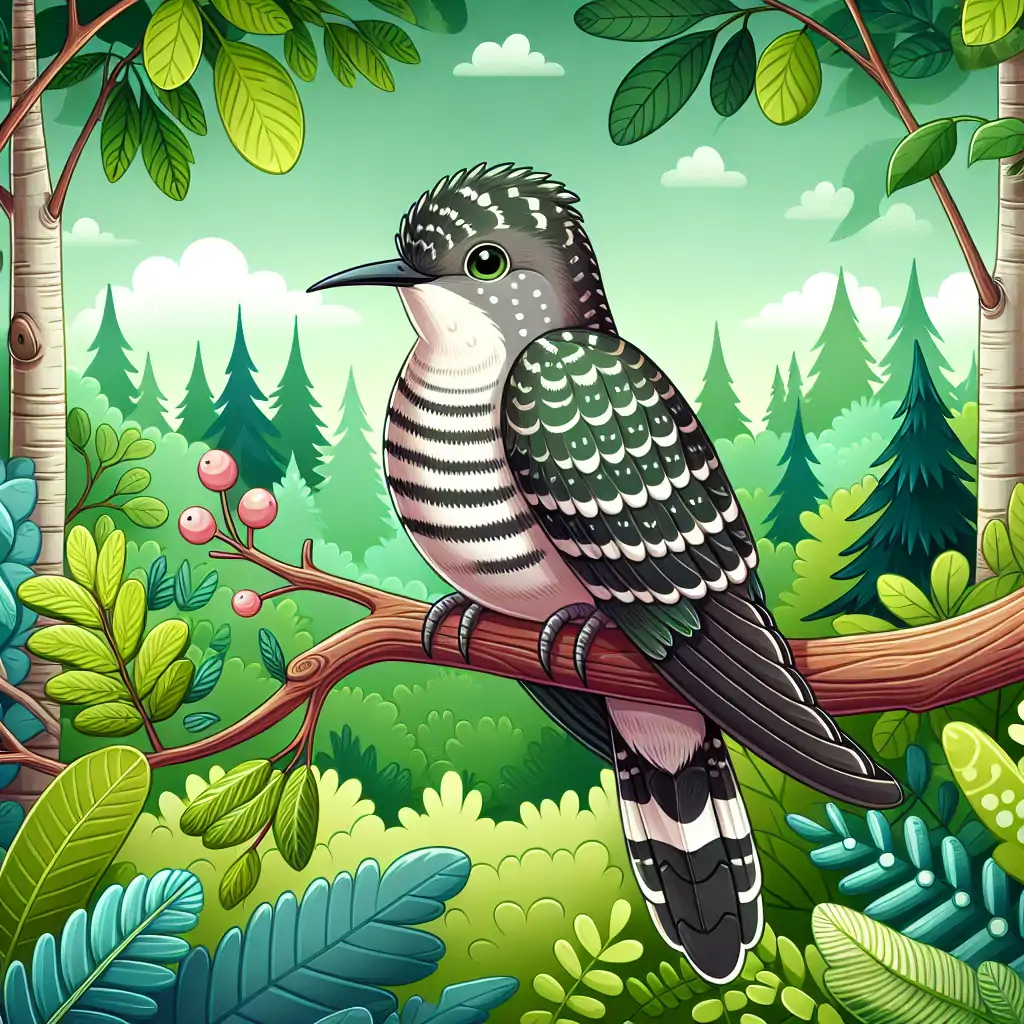
Ah, the cuckoo bird! At first glance, it appears to be your average avian creature, flitting through the skies, serenading us with its distinctive call. However, beneath its seemingly innocuous exterior lies a tapestry of myths and legends that stretch across Europe. The cuckoo has managed to entangle itself in an amusing array of folklore, often cast as both a trickster and a harbinger of change. Today, we embark on a whimsical journey to discover how these feathered phenomena have fluttered their way into the hearts and stories of different cultures. Whether they're hiding within clocks, predicting the future, or spreading chaos with their mischievous deeds, cuckoos offer a rich portal into a world filled with both humor and intrigue.
The cuckoo bird’s reputation precedes it across the continent, weaving its way into various cultural narratives. From the mystical woods of Germany where cuckoo clocks tick away, to the idyllic French countryside where these birds are said to possess clairvoyant qualities, the cuckoo's legendary status is as varied as it is entertaining. But why have these birds, with their notorious habit of laying eggs in the nests of unsuspecting hosts, been so universally embraced as quirky emblematic figures? Their adventurous stories and folkloric ties provide a blend of humor, myth, and mystery, making them an ideal protagonist for tales that entertain and educate.
These stories of old capture the imagination, transforming the ordinary into extraordinary. They invite us into a vibrant world where birds can predict whether spring is about to spring and where their antics are celebrated as cosmic mischief rather than mere ornithological oddities. Join us as we delve into the nuts and bolts of these cuckoo chronicles. Whether you're a lover of lore, a cultural enthusiast, or someone simply looking to indulge in a lighthearted tale, the world of cuckoo folklore promises a delightful adventure. Let's take flight alongside these legendary creatures and dive into the whacky world of European cuckoo myths!
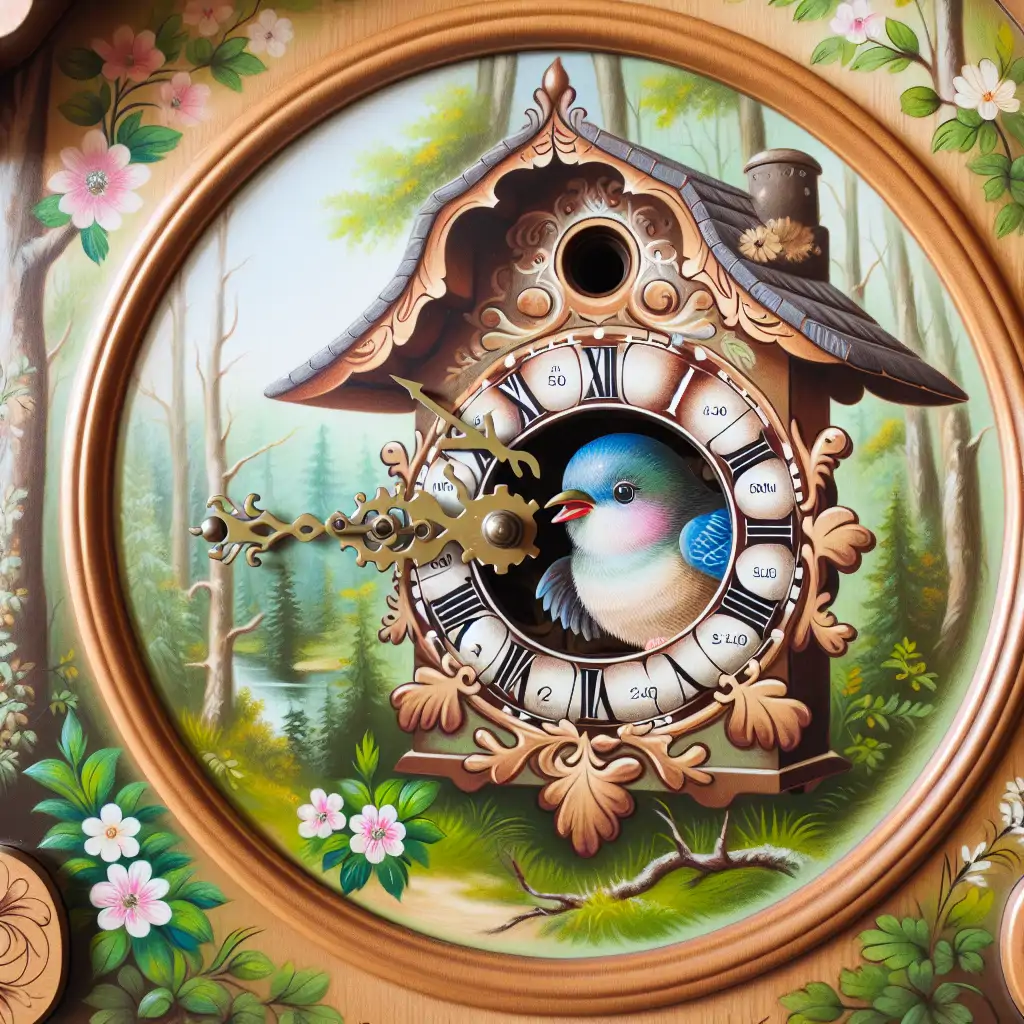
In the heart of European folklore, the cuckoo bird is often adored for its role as a herald of spring. The arrival of its distinctive call is said to signal the end of winter and the beginning of bloom. Yet, this seasonal symphony is merely the tip of the iceberg when it comes to its mythical significance. Far beyond the confines of a calendar, the cuckoo has been assigned roles that dance between mischief and magic. Much like the trickster figures found in various mythologies worldwide, cuckoos embody the unpredictable, playing a multifaceted part in tales of deception and delight.
Take Germany, for instance. The cuckoo's association with time stems from the invention of the cuckoo clock in the Black Forest during the 18th century. These delightful timepieces feature a mechanical bird that springs to life, ushering in each hour with a spirited 'cuckoo' call. It’s said that owning a cuckoo clock is a charm against evil spirits, providing a harmonious blend of functionality and folklore. Here, the cuckoo is not just a practical timekeeper but also a guardian, warding off malevolent entities with its persistent avian chant.
Meanwhile, in France, the cuckoo is attributed with an enviable skill: clairvoyance. French folklore often depicts cuckoos as predictors of the future, with their calls interpreted as omens of what's to come. The number of times a cuckoo calls on the first day of hearing it is believed to predict the years left until marriage or even one's lifespan! Imbibing these birds with such profound prophetic abilities transforms their ordinary call into a mystical melody, turning anyone who listens into a believer in bird-future forecasting.
Travel a bit further to the British Isles, and you'll find even more cuckoo trickery. In medieval England, cuckoos were seen as symbols of fickleness and infidelity. A popular rhyme from the era explains that hearing the first cuckoo in spring was a promise of new beginnings, but could also forewarn of deceit. This juxtaposition of hope and caution adds another layer to our winged protagonists’ mythology, casting them as creatures whose arrival comes with mixed messages.
In Scandinavian folklore, the cuckoo is married to the blackbird. Their melodious interactions in early spring symbolize the harmonious pull between different realms: earth and sky, past and future. Such tales not only entertain but also serve as metaphors for the human condition – the balance between tradition and change, stability and adventure. The cuckoo's call is not merely a sound but a symbol, resonating with the rhythm of life as it unfolds.
The Czech Republic, with its rich tapestry of legends, considers the cuckoo an oracle of fate. Here, the bird's call can foreshadow not just personal milestones, but national events. During tumultuous times, people might listen extra carefully to the cuckoo’s song, finding solace or warning in its tone. This magical quality ascribed to a bird’s song transforms it into something almost divine, bridging the gap between the natural world and human experience.
Cuckoos also find a home in Italian folklore, where they are ensconced within stories that highlight their ingenuity and cunning. In some regions, tales revolve around the cuckoo outsmarting other birds to secure the best nesting spots or forging unlikely alliances to navigate a forest fraught with danger. These narratives mirror the crafty behavior of the bird itself, cleverly laying eggs in the nests of others to ensure their offspring have the best start in life.
But it’s not all about trickery and magic. In some cultures, cuckoos are symbols of abundance and fertility. For instance, in Poland and elsewhere, the arrival of the cuckoo sings of fruitful lands and prosperous harvests, intertwining the bird’s life cycle with agricultural success. Their call is a celebratory anthem, bringing with it the promise of growth and life renewed with each vibrant cry.
Conversely, in Eastern European traditions, the cuckoo is sometimes seen as a portent of bad luck or sadness if heard from a specific direction. This peculiar belief showcases the dual nature of the cuckoo’s presence in lore – capable of bringing both blessing and bane depending on one's interpretation of its melodies. As such, each call becomes an intriguing mystery, weaving intrigue into everyday life.
Let's not forget the cuckoo's penchant for shapeshifting. In some Eastern European legends, the bird is known to morph into other forms, be it a human or another animal altogether. This transformative talent allows cuckoos to navigate human spaces and bird realms with ease, contributing to their mythical status as enigmatic figures that transcend the ordinary boundaries of nature.
While contemporary cuckoo tales often focus on their uncanny knack for laying eggs in the nests of other birds, this behavior has deep roots in folklore. This act of subterfuge is emblematic of slyness and adaptability, painting the cuckoo as a bird who thrives through cunning rather than confrontation – a nod to the trickster figures that populate mythologies the world over.
German folklore, in particular, embraces the cuckoo’s reputation for meddling. Storybooks speak of how cuckoos, with their whimsical wit, manage to evade trouble by using charm and intelligence. It is this blend of rascality and resilience that endears them to audiences, turning their tales into treasure troves of laughter and insight.
In tandem with myths of trickery, cuckoos are also tied to themes of love. In some regions of Italy, hearing a cuckoo’s first call of the year while thinking of a beloved is said to ensure a happy relationship. This charming tradition highlights how our feathered friends have been integrated into rituals and superstitions surrounding romance and connection.
The cuckoo's call has been celebrated in poetry and song across Europe. It possesses a musicality that inspires joy and contemplation alike, captured in the verses of bards and writers who have explored its symbolic resonance. Its sound often accompanies scenes of idyllic pastoral beauty, cementing the cuckoo’s place within the cultural imagination as a songstress of the seasons.
Interestingly, the practice of ‘cuckoo calling’ as a form of communication harks back to ancient customs, where villagers used cuckoo-like whistles to signal one another during festivities. This cross-pollination of natural and cultural soundscapes enriches the cuckoo’s narrative, embedding it deep within the folk traditions that celebrate both human ingenuity and natural wonder.
Beyond mere mythic musings, cuckoos play a crucial role in reminding us of nature’s oddities and marvels. Their stories serve as fun-filled gateways into understanding the balance of ecosystems and the diversity of life strategies. Within their whimsical tales lies an intrinsic respect for a bird’s ability to adapt and thrive, offering gentle lessons on ingenuity and survival.
And yet, despite their folkloric fame, cuckoos have faced challenges in the modern world, with changes to habitats affecting their populations. This links to a broader narrative about conservation and the importance of preserving the environments that nurture such mythical creatures. These considerations invite us to ponder how the stories we tell can influence the actions we take in caring for the creatures that fascinate us.
The eccentricities of the cuckoo's life, from its nesting practices to its calling rituals, mirror the ways in which culture shapes our understanding of Nature itself. Each tale paints the cuckoo in a new light, morphing it from trickster to herald, from mystic to meddler, imbibing it with qualities that allow us to navigate complex ideas through simple stories.
But why does the cuckoo’s narrative resonate so strongly across cultures, cities, and generations? Perhaps because it holds a mirror to our own contradictions and complexities. The cuckoo is familiar, yet foreign; a harbinger of joy, yet a messenger of mischief. It is within these juxtapositions that we find the essence of storytelling, the blend of fact and fancy that captivates the human spirit.
Delving into the cuckoo’s lore is akin to journeying through a magical landscape where birds possess wisdom beyond themselves. They become avatars of possibility, ushering us gently into worlds of whimsy and wonder, inviting us to reflect on the mysteries they present and the tales they inspire.
As we explore these myths, we witness how a simple bird call can vibrate through the very fabric of a culture, shaping beliefs, customs, and folklore. It reiterates how mythical narratives are more than mere entertainment; they offer insights into our own relationship with the world around us, bridging imagination with reality.
In a world where reality can be stranger than fiction, the lore of the cuckoo presents an amusing kaleidoscope of feathered fantasticality. They remind us that life is often multifaceted, constructed not just through the tangible, but woven with the intangibles of dreamlike stories and the songs of playful sprites.
Embracing the cuckoo in all its narrative glory is more than a nod to anthropological curiosity. It is an invitation to mourn the winter and rejoice in the arrival of spring, to laugh at life’s paradoxes, and to cherish the fantastical amid the everyday. For the cuckoo continues to ‘cuckoo’ its way into our lives, ensuring its legacy as a cherished storyteller of the skies.
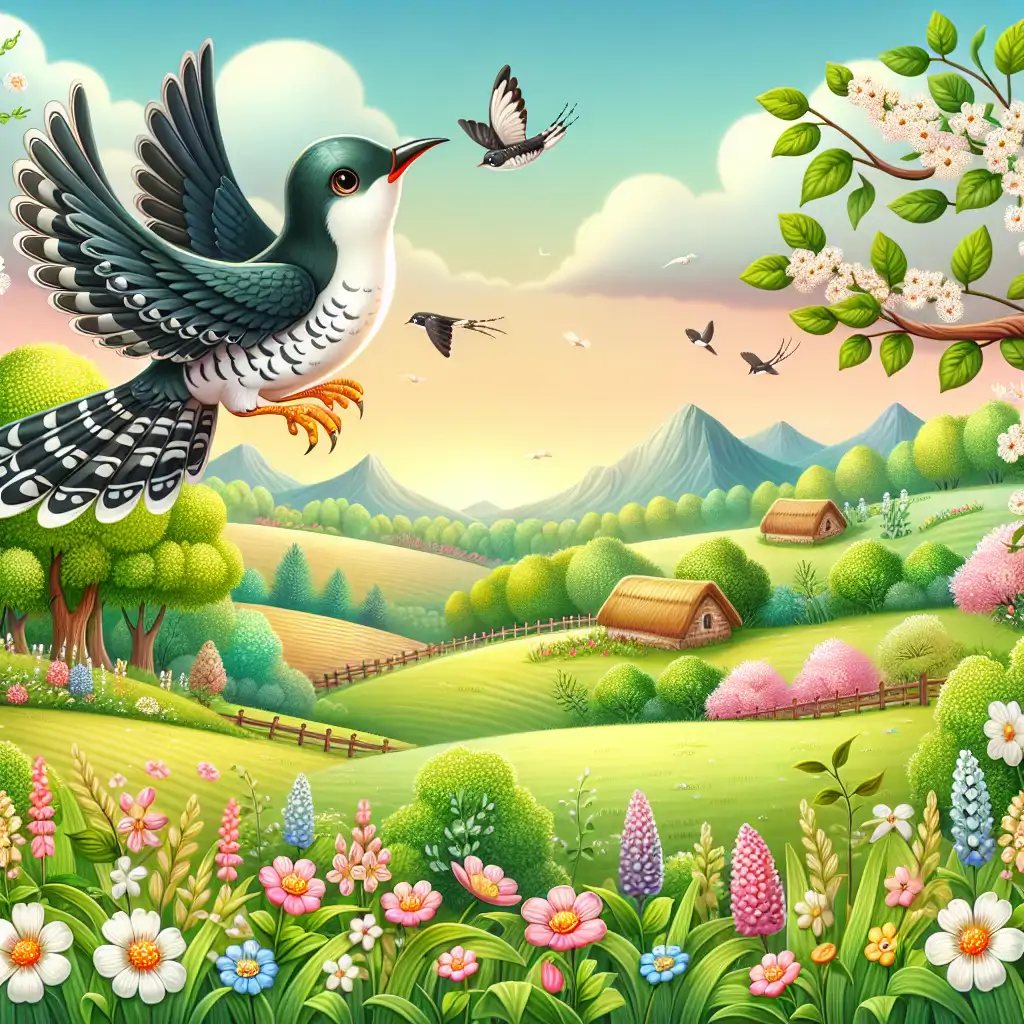
As we close the pages of the cuckoo’s whimsical tale, we find ourselves enriched by a cornucopia of stories that surpass mere ornithological study. The cuckoo, with all its quirks and qualities, is a testament to the power of narrative and the deep connections between culture and animal behavior. By being woven into the tapestry of European folklore, cuckoos have transcended their role in the natural world, becoming symbols and storytellers in their own right.
In each myth and legend, the cuckoo manages to leave a lasting impression, resonating with individuals across time and place. Whether it’s as a symbol of luck or mischief, fertility or forewarning, its versatile presence in stories speaks to the universal themes of hope, cunning, and change. These avian legends not only entertain but also invite us to reflect on the complexities of life and humanity’s enduring fascination with the natural world.
As we listen for the cuckoo’s call in the coming springs, may we continue to cherish the stories that it inspires. These tales offer a window into the imaginative worlds crafted by our ancestors, where birds predict the future, love is eternal, and the sounds of nature form an endless symphony. So here’s to the cuckoo, an icon of mirth and magic, forever calling from the heart of European folklore into the future.
Thanks for taking the time to read my article! You may also find this one interesting.
The Feathered Fable: Phoenix Myths from Ashes to Amusement!Til next time! Prijanka

Prijanka
Prijanka is a wellness coach and inspired blog writer. Drawing from her expertise in holistic health and her talent for motivating others, she writes insightful articles that empower readers to live healthier, more balanced lives, blending practical advice with a genuine passion for well-being.
A proud member of the B-Team
If you're curious to dive deeper into related topics, then you may find these external links useful.
1. Cuckoo Bird Mythology
An exploration of the various myths and legends surrounding the cuckoo bird across different European cultures, highlighting its role as a trickster and symbol of change.
https://birdertopia.com/cuckoo-bird-meaning/2. Cuckoo Clocks in German Folklore
A detailed look at the invention of the cuckoo clock in Germany's Black Forest and how cuckoos became symbolically tied to the passage of time and protection against evil spirits.
https://deutscheway.com/the-history-of-german-black-forest-cuckoo-clocks/3. Cuckoo's Clairvoyant Tales in France
A study of the French folklore surrounding cuckoos and their purported abilities to predict the future, including the belief that their calls foretell marriage or lifespan.
https://www.sciencedirect.com/science/article/abs/pii/S1470160X163053744. Cuckoo Symbolism in British and Medieval Folklore
Insights into the British medieval views of cuckoos as symbols of infidelity and the mixed messages their calls bring regarding new beginnings and potential deceit.
https://worldbirds.com/cuckoo-symbolism/5. Cuckoo Myths and Fertility in Eastern Europe
An examination of the dual nature of cuckoo symbols in Eastern European traditions, where they represent both abundance and potential misfortune.
https://en.wikipedia.org/wiki/Common_cuckoo©2023 - 2026 SP Software Solutions Ltd. All rights reserved.