Dragon Drolls: Whimsical Wonders from the World of Dragons!
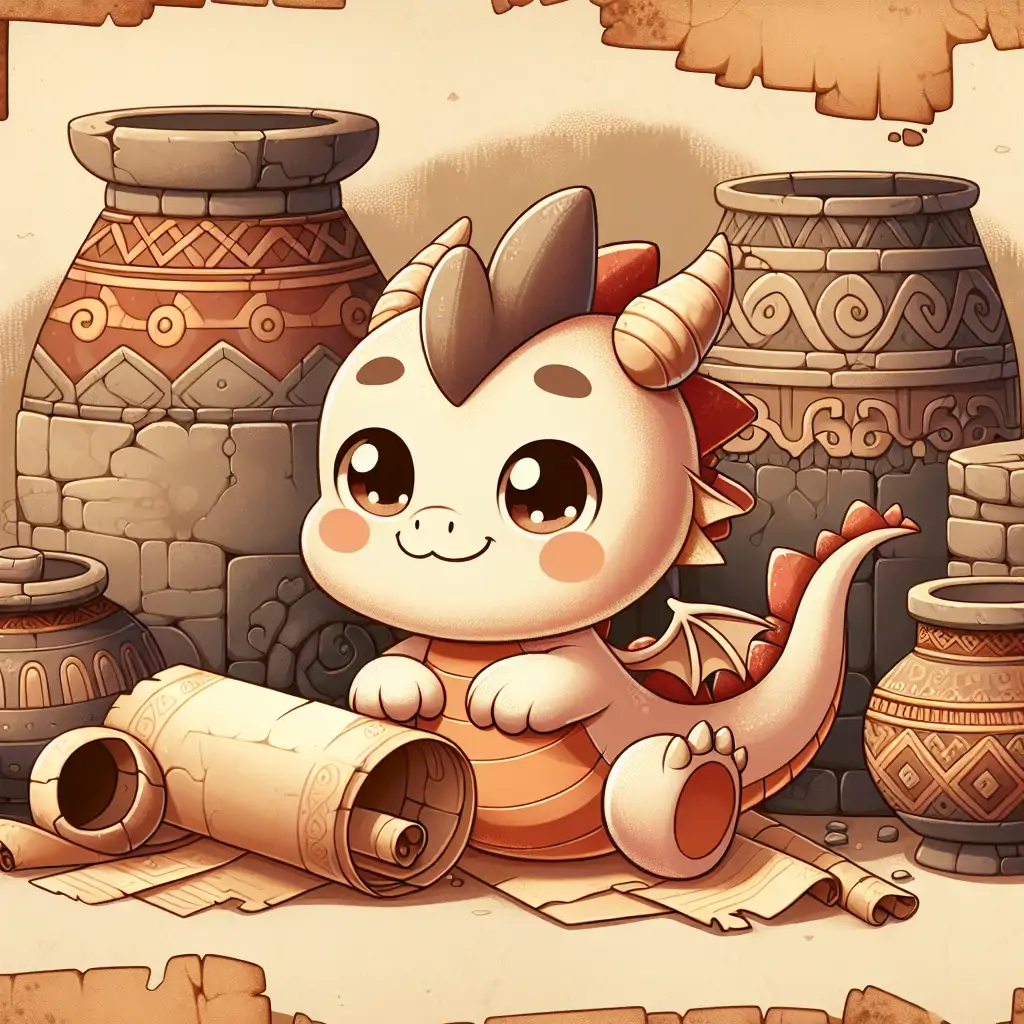
Dragons, the mythical beasts that have captured human imagination for millennia, are far more than just fire-breathing terrors. From the majestic guardians of the East to the gold-hoarding hunters of the West, dragons have taken on a variety of roles across cultures and centuries. In this whimsical exploration, we invite you on a journey to discover the stories and legends that make these creatures both awe-inspiring and amusing. Whether they're crashing banquets in Asia or cleverly outwitting the daring knights of medieval Europe, dragons bring a unique brand of magic to folklore.
Across continents, dragons have manifested in the tales of different cultures, each adding its distinctive touch to these legendary creatures. In China, they are revered as wise and benevolent beings, symbolizing power, strength, and good fortune. Meanwhile, European dragons are renowned for their cunning nature, often guarding treasures or kidnapping unsuspecting princesses. Beyond these well-known myths, there are lesser-known stories that reveal a playful side to these beasts, making them more relatable and enchanting.
Prepare yourself for a deep dive into the enchanting yet quirky realm of dragon folklore, where tales of serpents and scales abound. Whether you're a die-hard dragon enthusiast or just a curious onlooker, this light-hearted journey promises to reveal dragons in a new and fascinating light. With tales that are rich in history and humor, 'Dragon Drolls: Whimsical Wonders from the World of Dragons' is your perfect companion for an exploration filled with fun and fantasy.
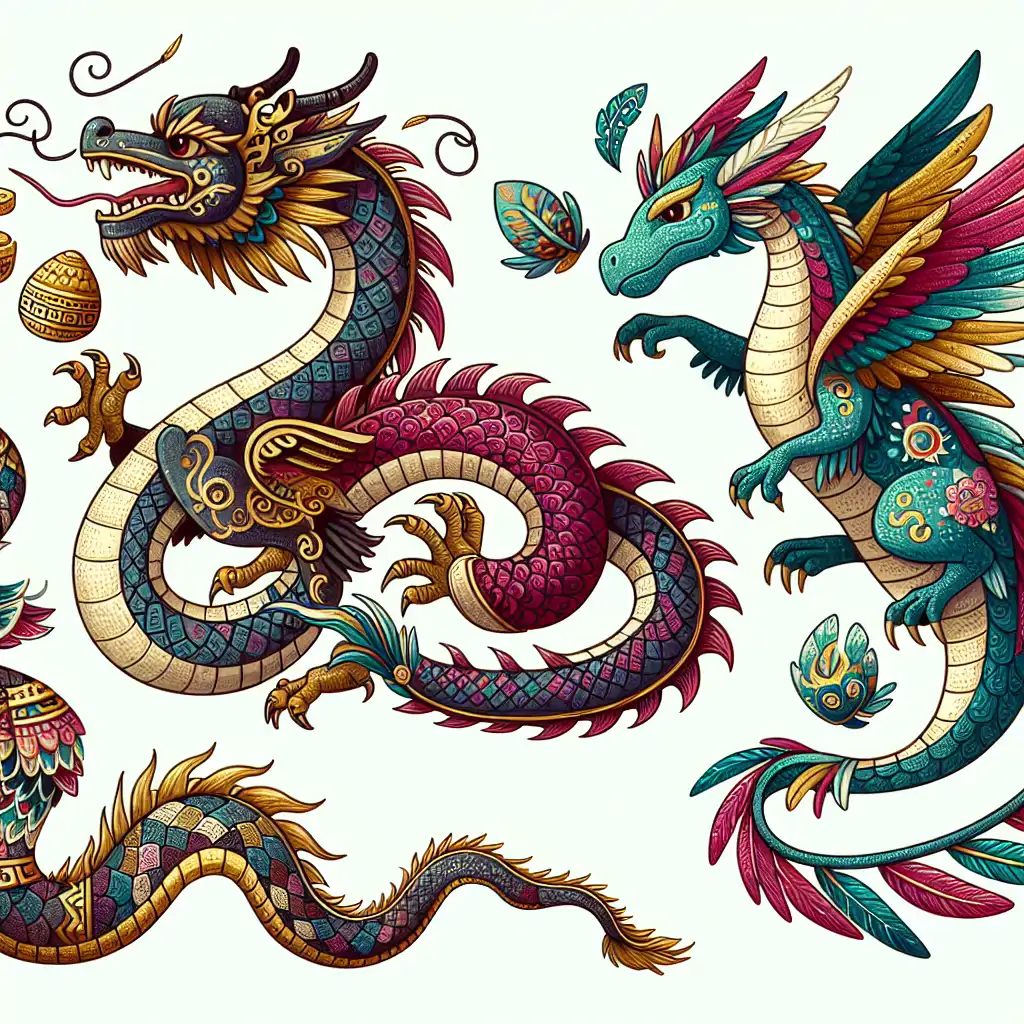
In Chinese mythology, dragons are more than just legendary beasts—they are symbols of power, wisdom, and benevolence. Known as 'Lóng,' these creatures are associated with water, controlling rain, rivers, and seas. Often depicted as creatures with long serpentine bodies, Chinese dragons also bear a cornucopia of appendages from various animals, reflecting their revered status in Chinese culture. Among their many thrills, Chinese dragons are said to enjoy partaking in celestial dance-offs during the infamous Dragon Boat Festival, an event that fills the air with laughter and the sound of drums.
The European view of dragons takes a somewhat different twist. Known as fearsome and malevolent, dragons in Western folklore have cemented their reputation through tales of destruction and chaos. Notable tales include the story of St. George and the Dragon, where a brave knight confronts a terrifying dragon to save a beleaguered town. These dragons are depicted as winged, fire-breathing, and exceedingly fond of guarding treasures—often gold or virgins—though why anyone would want to hoard either in a damp cave remains a dragon-sized mystery.
In the myths of ancient Japan, dragons, known as 'Ryū,' occasionally exhibit personality traits not unlike a trickster. Taking on playful antics, they would sometimes snatch pearls from their aquatic domains, leaving bewildered fishermen questioning their reality. Known for their benevolent side as well, Japanese dragons are loved for their rain-bringing abilities and are still celebrated in festivals. Folklore recounts Ryū living among the stars, conducting wild nightly dances that shower Earth with shimmering meteor showers, a quirky addition to their celestial chronicles.
Scandinavian legends are filled with tales of the 'Lindworm,' a dragon-like creature lacking wings but brimming with mysticism. These dragons are often the guardians of ancient wisdom or fearsome opponents best avoided. Not all Lindworms are menacing; some are known to offer wisdom in exchange for sweet music from human travelers. In Iceland, the tales can be more whimsical, with dragons known to occasional play tricks on unsuspecting wanderers by hiding their shoes—a quirky reminder of their unpredictable nature.
Mesoamerican cultures introduced the world to the winged serpent god 'Quetzalcoatl,' a deity who traverses the line between god and dragon. Known as a bearer of civilization, knowledge, and sometimes a bit of mischief, Quetzalcoatl could take the form of a great feathered serpent and dance in the skies. Like a celestial dragon, his movements brought rains and bountiful harvests. His whims could turn from joyous boons to challenges for those who took too much for granted, comfortably walking the line of benevolence and capriciousness.
On the Indian subcontinent, the dragon-like 'Nāga' occupies a cherished place in Hindu and Buddhist traditions. These semi-divine creatures are guardians of water and treasure, often residing in rivers and ponds. Revered rather than feared, Nāgas are known for their wisdom and generosity, occasionally emerging from their watery abodes to tango with wildlife, inspiring laughter among local folktales. Their whimsical dance moves are said to mimic the ebb and flow of water, creating ripples in the storytelling of the region.
Away in the African continent, dragons manifest as creatures like the Egyptian 'Apep,' a serpent of chaos. This imposing figure is said to battle the sun god Ra daily, delighting in his nightly attempts to swallow the sun. Though fearsome in stature, Apep is also known for his clumsy lapses in combat, humorously allowing the sun to escape his maw with the coming dawn. These tales reveal not just a tense battle but a reluctant dance, highlighting these mythical creatures' whimsical unpredictability.
Pacific island legends often speak of the 'Moa,' akin to a dragon with maritime ties. Known to play merry pranks on sailors by swamping their vessels with unseasonal torrents, the Moa is beloved for its temperamental yet whimsical nature. Tales abound of Moa turning tides just to test human resilience, watching from beneath the waves to see if sailors offer tribute, usually in the form of joyous singing or juggling—frequently ending in peals of thunderous laughter from a well-amused dragon.
In Korea, dragons speak to a more righteous and just demeanor. Known as 'Yong,' these dragons are regal and magnificent, guardians of law and order. Perceived as protectors, Yong are often shown maintaining peace by celebrating grand feasts and assisting mortals with wise counsel. It’s believed that Yong sometimes descend to Earth disguised as silly sages to test humanity's morals. Such tests typically end in comedic fashion, resulting from the dragons' cheeky sense of righteousness that merges wisely with whimsy.
The Inuit people of the frozen north speak of 'Tizheruk,' a sea dragon with the spirit of the playful trickster. Often emerging from arctic waters, Tizheruk spends its days in mischief, playfully troubling fishermen by pulling their nets away just as they haul in their catch. Not malevolent but mischievous, Tizheruk embodies the light-hearted spirit of youthful explorers, showing that even in the harshest climates, a bit of dragon-induced folly is always welcome for a cheerier world.

As we've soared through centuries of lore, the whimsical wonder of dragons becomes distinctly clear. These enigmatic creatures, full of charm and cheer, transcend categorization, weaving themselves seamlessly into cultural tapestries across the world. Whether as wise guides, fierce guardians, or playful tricksters, dragons continue to fascinate, entertain, and sometimes confound us with their paradoxical essence of majesty and mischief.
Despite their fearsome demeanor, tales of dragons often include moments of levity, unexpected humor that makes these mythical titans feel real and relatable. They are creatures of contrast, often playing the role of villain and hero. It's these dynamic and often comedic qualities that endear dragons to us, illustrating why they remain such a favored subject among storytellers, artists, and dreamers.
Ultimately, the enduring charm of dragons lies not just in their power or mystery but in their ability to bridge the gap between the human realm and the fantastical. Whether they're executing elaborate pranks, protecting the innocent, or dancing across cultures and history, dragons bring to life the rich tapestry of human imagination. And so, dear readers, the next time you dream of dragons, remember to smile, for you hold the whimsical heart of magic itself.
Thanks for taking the time to read my article! You may also find this one interesting.
Davy Jones' Jamboree: Nautical Nonsense from the Depths!Til next time! Prijanka

Prijanka
Prijanka is a wellness coach and inspired blog writer. Drawing from her expertise in holistic health and her talent for motivating others, she writes insightful articles that empower readers to live healthier, more balanced lives, blending practical advice with a genuine passion for well-being.
A proud member of the B-Team
If you're curious to dive deeper into related topics, then you may find these external links useful.
1. Smithsonian: Dragon Mythology
An expansive look into dragon mythology across different cultures, highlighting their significance in both Eastern and Western societies.
https://www.smithsonianmag.com/history/from-china-mediterannean-more-heres-how-different-cultures-envision-dragons-180984499/2. National Geographic: Chinese Dragons
Explore the cultural importance and symbolism of dragons in China, featuring their role in traditions like the Dragon Boat Festival.
https://time.com/6691804/china-dragons-symbolism-history-significance-new-year/3. BBC: European Dragon Lore
A collection of tales and historical perspectives on European dragons, including famous legends such as St. George and the Dragon.
https://knightstemplar.co/from-beowulf-to-saint-george-the-iconic-european-dragons-from-legends/4. Encyclopedia of Mythology: Japanese Ryū
Delve into the mythology of Japanese dragons, focusing on their characteristics and their playful yet benevolent nature.
https://mythologyinquirer.com/exploring-the-presence-of-dragons-in-japanese-mythology/5. Indigenous Myths: Dragons Around the World
A comprehensive guide to dragon myths from various indigenous cultures, including Mesoamerican, Indian, and African traditions.
https://mythologyworldwide.com/dragons-around-the-world-myths-and-legends/©2023 - 2026 SP Software Solutions Ltd. All rights reserved.