Kami Capers: Spirited Shenanigans in Japan's Supernatural Scene!
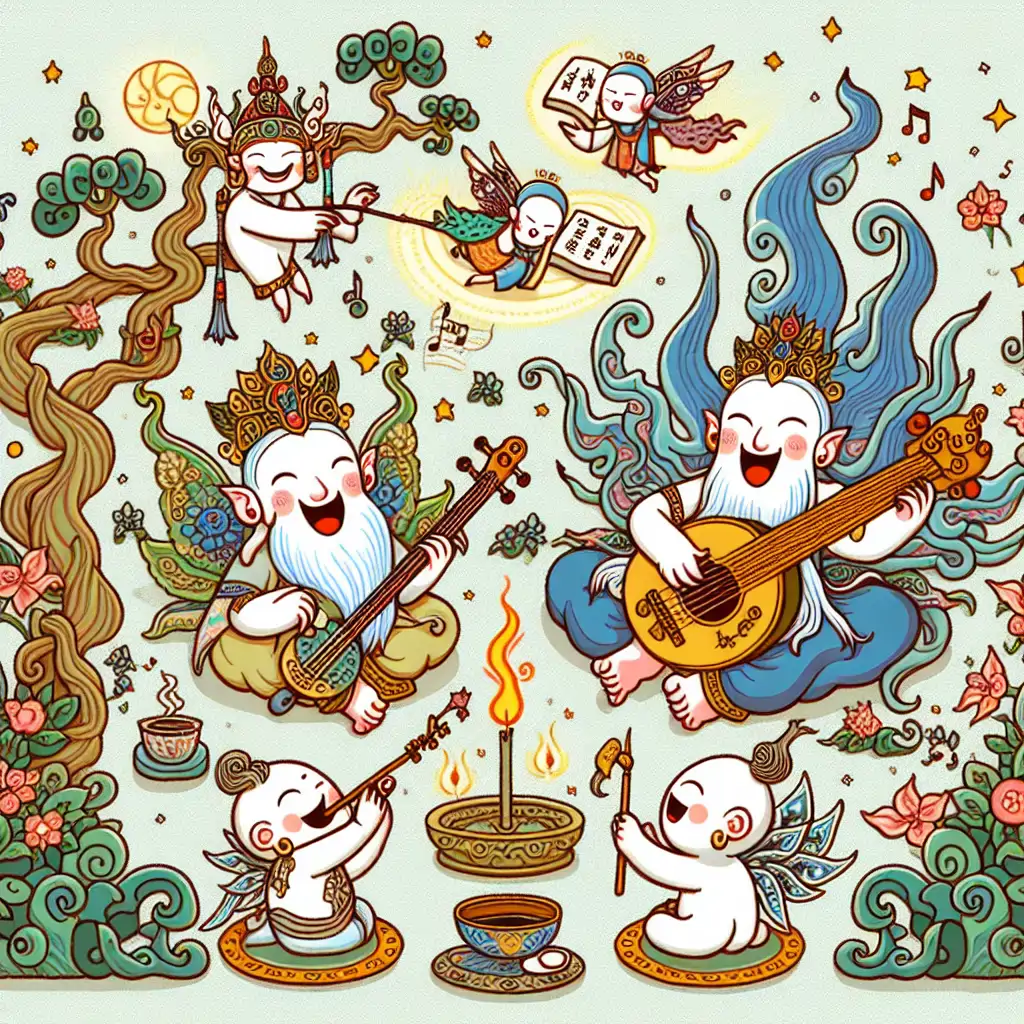
Japan's spiritual landscape is an enthralling realm where the mundane meets the magical, known broadly as the world of kami. These mystical beings are not only revered but also celebrated for their playful and unpredictable nature. Embarking on this journey unveils a captivating tapestry woven with stories of spirits that control the elements, guard households, and even indulge in sheer tomfoolery. From the mischievous rub of Tanuki's belly to the antics of the elusive Zashiki-warashi, kami are far more than distant deities. They are intertwined with the daily lives of the Japanese people, making appearances in folklore, festivals, and even your local ramen shop if you're lucky enough. So, buckle up for a deep dive into this quirky panorama, where each kami has a personality as distinct as their influence is profound.
Take the Tanuki, for instance—a creature of many guises and the ultimate shapeshifter. Known for their joviality and potbelly drumming, Tanuki have a long history of causing delightful chaos. Often seen as jovial troublemakers, these raccoon dogs are credited with bewildering travelers, transforming leaves into money (much to the dismay of unsuspecting shopkeepers), and generally making a playful mess of things. But don’t be too quick to dismiss Tanuki as mere tricksters. They embody the spirit of joyous disruption, reminding us all to look beyond the surface and embrace life's unpredictability with a sly grin.
Next, we wander into the homely domain of Zashiki-warashi, the envoys of both good fortune and harmless havoc. These childlike spirits are known to inhabit cozy corners of homes, bringing along a fair share of blessings and mishaps. While most welcome their playful pranks, such as hiding shoes or misplacing house keys, it’s their mysterious aura and promise of prosperity that make them a cherished presence. Residents often leave out sweets in hopes of maintaining the Zashiki-warashi’s favor, a small price for continued cheer and protection.
High in Japan's mountainous regions dwell the Tengu, enigmatic bird-men known in equal measure for their martial prowess and mischief-making tendencies. With their long noses and crimson faces, Tengu often play the dual role of guardians and pranksters. Legends abound with tales of these creatures casting illusions, challenging samurai, and yet, offering wisdom to those who earn their respect. By straying between benevolence and trickery, Tengu embody the delicate balance between order and chaos, even managing to teach life lessons through their antics.
Strolling through sacred temples and serene forests, one might encounter a salt-sprinkled Shinto rite, imbued with reverence and an air of whimsy. Here, kami are omnipresent, believed to dwell in the smallest stone or the tallest tree. Rituals often involve offerings and dances that entertain and appease these spirits, ensuring harmony between the earthly and the ethereal. Understanding how these rites shape the relationship between people and kami provides insight into why these spirits hold a cherished place in Japanese culture, straddling the line between divine reverence and everyday fun.
No exploration of kami would be complete without mentioning the water spirits, the Kappa. Known for their cucumber cravings and notorious antics involving pulling unsuspecting folks into waterways, Kappa embody a curious mix of dread and fascination. Despite their often tricky nature, stories depict them as honorable beings bound by manners; a respectful bow or an offering of cucumbers can turn a potential watery mishap into an amiable exchange. Kappa remind us that while nature’s forces can be daunting, they’re also open to diplomacy and kindness.
In cityscapes and countryside alike, glimpses of fox statues, or kitsune, suggest the presence of revered messengers, known for their cunning intellect and mystical powers. Often associated with the deity Inari, these spiritual entities fluctuate between aiding humans and playing cleverly calculated tricks. Mythology paints kitsune as both protectors of agricultural bounty and skillful shapeshifters, capable of assuming the guise of bewitching, mischievous women. This duality encapsulates the unpredictable nature of all kami—these entities are complex and defy straightforward classification, often entrusting humans with narratives woven through both mirth and mystery.
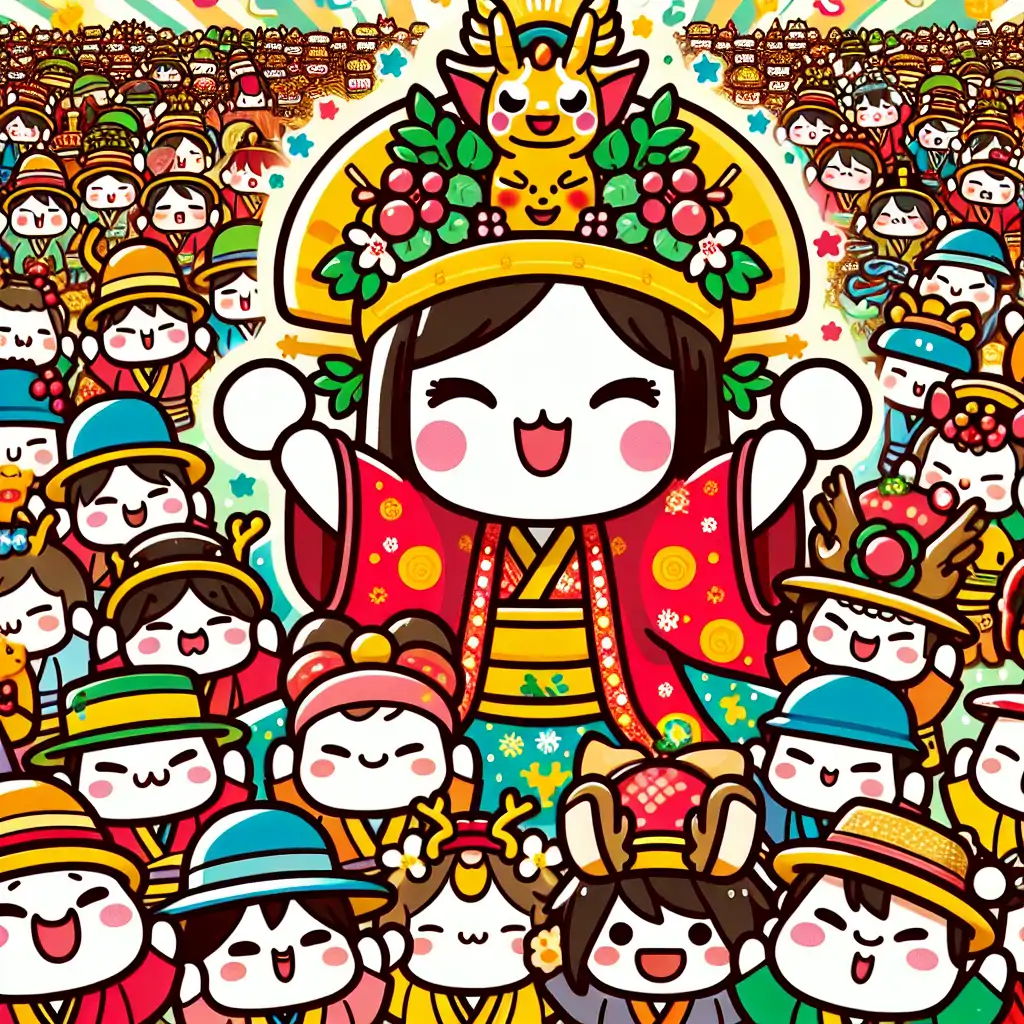
Finally, let’s delve into local traditions where kami manifest during lively festivals brimming with colors, dances, and tasty treats. During Matsuri, or Shinto festivals, spirits are drawn out through rituals including parades featuring ornate floats and performances designed to entertain and reassure these divine beings. Kami become central figures during these events, infusing the air with joy and mystery. For spectators, Matsuri are more than cultural gatherings; they symbolize unity and the playful intertwining of earthly and spiritual realms.
The link between kami and everyday life is perhaps best embodied in the humble yet profound act of sipping tea within a tranquil garden. Amid rituals that honor the simplicity and beauty of nature, kami make their unseen but felt presence known. The tea ceremony, steeped in calm precision, celebrates the fleeting and lovely moments of existence, fostered by a spiritual mindfulness that draws inspiration from these ancient spirits. Such occasions emphasize the holistic philosophy of kami as not just supernatural, but integral companions on life’s journey.
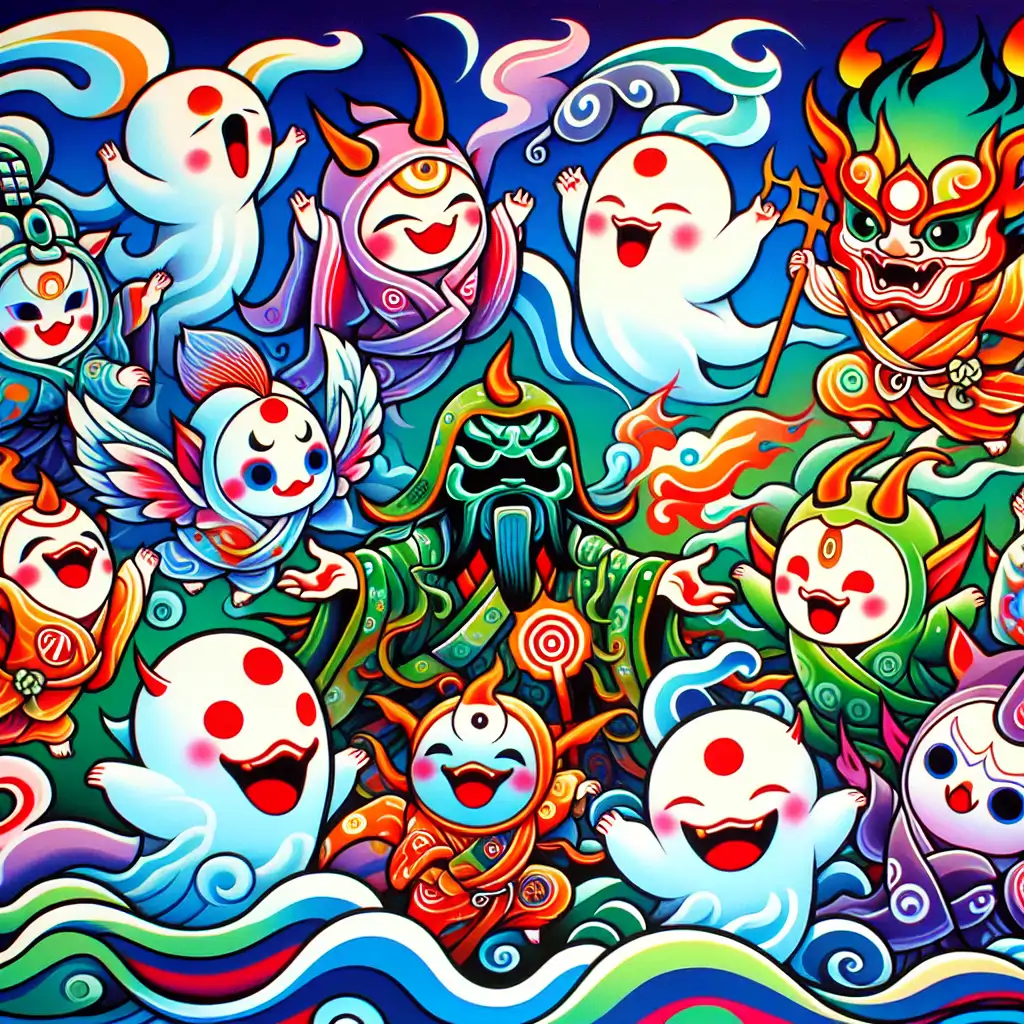
As we bid farewell to the spirited shenanigans of Japan's kami, we're left with a sense of awe and amusement. These supernatural entities, with their penchant for mischief and nurturing presence, continue to captivate hearts across generation after generation. Thoroughly enmeshed in the cultural and spiritual fabric of Japan, kami inspire not just reverence but provide a reminder of life’s delightful unpredictability. In these tales of transformation, mischief, and benevolent guardianship, kami occupy a vibrant space where humor and holiness joyously collide.
Whether encountering the shapeshifting Tanuki under a city neon or feeling the mischievous tug of a Zashiki-warashi on a quiet evening, these spirits stir the soul and the imagination. They invite us to tread lightly through life’s mysteries, embracing the wild and the wondrous in every encounter—enthusiastically fanning the flames of mythology while teaching the art of finding joy in the unexpected. The timeless dance between humans and these celestial pranksters is a story ever-unfolding, promising a chuckle and a life lesson at every twist and turn.
So here’s to the kami: ever-playful, always profound spirits who generously sprinkle the mundane with the miraculous! In their antics, we glean not just the trickery of a kind, but also an invitation for shared laughter and mutual respect across realms, until the stories of modern life become lore for the ages—echoes, perhaps, of our own kami capers awaiting discovery.
Thanks for taking the time to read my article! You may also find this one interesting.
Mermaid Mischief: Splashing Through Aquatic Anecdotes!Til next time! Prijanka

Prijanka
Prijanka is a wellness coach and inspired blog writer. Drawing from her expertise in holistic health and her talent for motivating others, she writes insightful articles that empower readers to live healthier, more balanced lives, blending practical advice with a genuine passion for well-being.
A proud member of the B-Team
If you're curious to dive deeper into related topics, then you may find these external links useful.
1. Kami and Japanese Folklore
An overview of kami in Japanese folklore, detailing their roles and significance in culture, and their presence in both mythology and daily life.
https://theenlightenmentjourney.com/japanese-mythology-kami-yokai-and-shinto-spirits/2. The Mythical Tanuki
An exploration of the Tanuki's role in Japanese mythology, focusing on stories and cultural depictions of these shapeshifting creatures known for trickery and revelry.
https://oldworldgods.com/japanese/tanuki-japanese-mythology/3. Zashiki-warashi: Spirits of Good Fortune
A detailed look at the Zashiki-warashi in Japanese folklore, highlighting their characteristics and how they influence household prosperity and playfulness.
https://mythologyworldwide.com/the-legend-of-the-zashiki-warashi-the-child-spirits-in-japanese-mythology/4. Tengu: Guardians and Tricksters
Information on Tengu mythology, examining their dual nature as protectors and mischief-makers, and their influence on martial traditions and folklore.
https://mythologyworldwide.com/the-japanese-tengu-the-mischievous-fairies-of-the-mountains/5. Understanding Matsuri Festivals
A guide to Matsuri festivals in Japan, showcasing how kami are celebrated through parades, rituals, and their role in community and cultural life.
https://www.japan-guide.com/e/e2063.html©2023 - 2026 SP Software Solutions Ltd. All rights reserved.