The Ailurophobia of the Pharaohs: Egypt’s Feline Deities and Quirks!
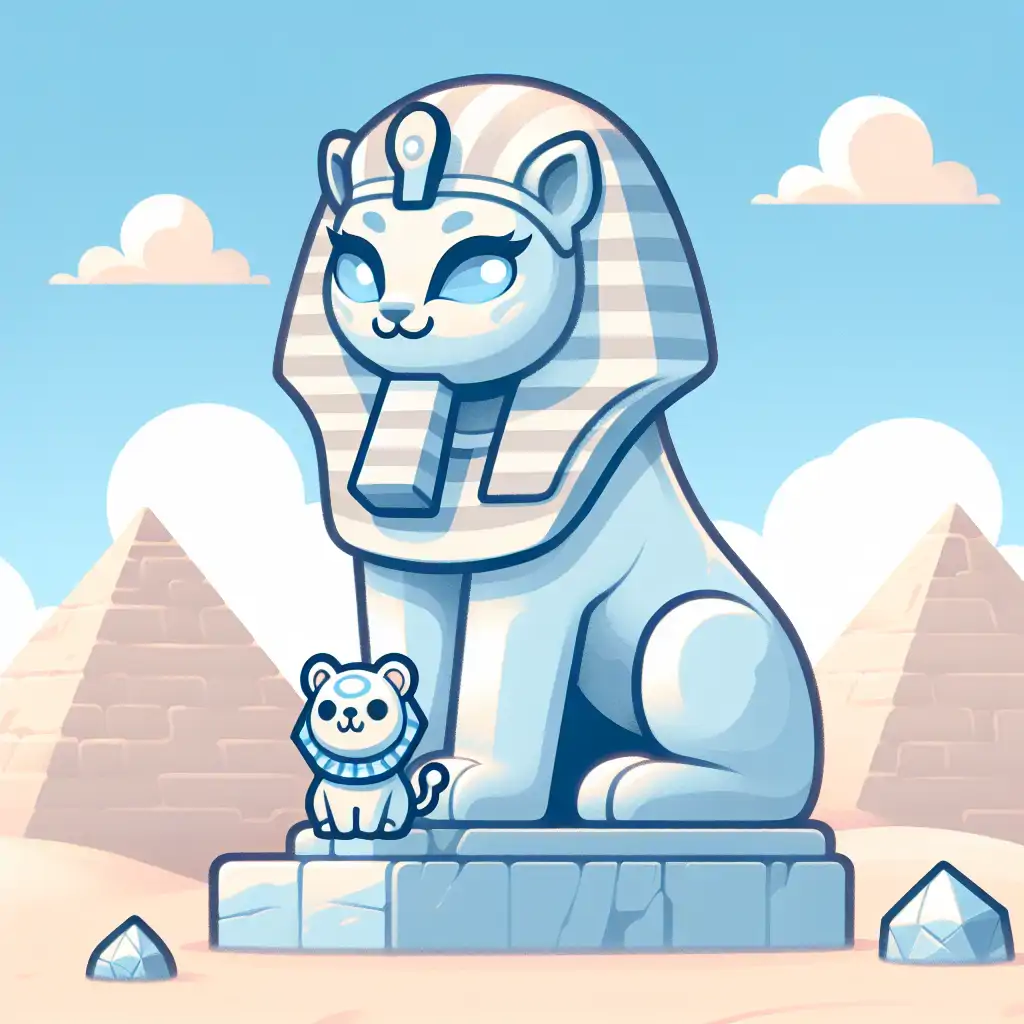
In the heart of ancient Egypt, long before the invention of the internet's favorite animal videos, cats were already basking in their divine status. Revered and worshipped, these furry friends held a unique position in Egyptian culture. Not merely content with being cute companions, cats were tied to mighty deities who wielded considerable influence over the lives of the Egyptians. Somewhere along the banks of the Nile, a pharaoh might have offered a prayer not only to the likes of Ra and Osiris but also to Bastet—the cat goddess. Her enigmatic presence on both the battlefield and the hearth symbolized the multi-faceted personalities of these feline deities. With the head of a lioness and the grace of a domesticated kitty, Bastet represented the formidable duality of tenderness and ferocity. But how did these captivating creatures claw their way to such heights?
The pharaohs, known for their opulence and divine mandate, found themselves enthralled by the antics and allure of cats. Was it their mysterious nature or their dexterity in hunting that captured the imaginations of these rulers? Or perhaps it was the calming purrs echoing through the towering stone halls that won the hearts of those who commanded legions. Delving into the beliefs and superstitions of ancient Egypt, one finds that life was riddled with little quirks and entertaining feline-inspired customs. Whether through comic relief in daily rituals or powerful symbolism in religion and politics, cats had managed to write themselves into the very fabric of Egyptian society.
In this whimsical journey through the land of pyramids and pawprints, we explore why Egyptians didn't just adore their cats—they practically idolized them! From feline etiquette that influenced human behavior to intricate afterlife beliefs revolving around our feline friends, discover the quirks that had the ancient Egyptians treating cats with an almost divine reverence. So sit back, relax, and let us transport you to a time where your kitty's playful pounce or a satisfying head bump was enough to earn them a spot among the cosmos.
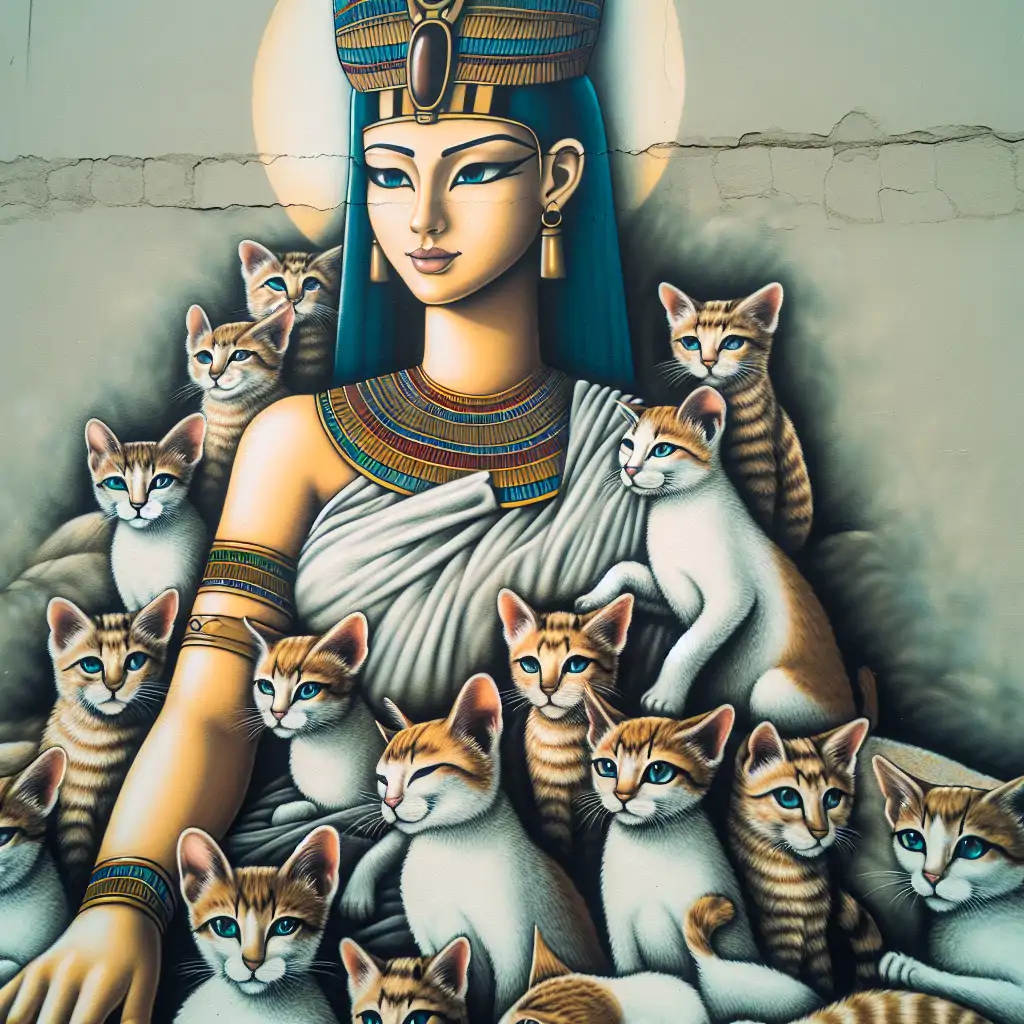
In the cradle of ancient civilization, cats were not just auxiliary to Egyptian life; they were central to it. Bastet, the cat-headed goddess, epitomized this relationship and garnered veneration for her protective qualities. Often depicted in art with the body of a lioness, Bastet was a deity of duality. She stood as a guardian against evil spirits and diseases, watching over homes with an ever-watchful eye. Her role extended beyond merely a domestic protector, though. The battlefield was also her playground, where she displayed the valor and ferocity emblematic of her feline nature. This juxtaposition between domesticity and ferocity is perhaps why the Egyptians felt such a connection to these creatures: they embodied traits the people admired and aspired to emulate.
Kittens, it seems, weren’t just for cuddling. The ancient Egyptians believed that cats had the ability to ward off bad luck and misfortune. Much of this belief stemmed from their remarkable ability to keep pests at bay. Mice and snakes—known nuisances and carriers of potential disease—were regular victims of the cat's agile prowess. This immeasurable service wasn't lost on the Egyptians, who viewed these feline creatures as literal lifesavers. By guarding their granaries and keeping unwanted creatures out of their homes, cats ensured prosperity and health—a job worthy of divine accolades.
But Egypt's feline fascination wasn't all stern worship and practical appreciation. Cats also inspired humor and camaraderie among the people. Imagine the spectacle of an opulent Egyptian banquet. Guests adorned in lavish robes and precarious headpieces, laughter permeating the air while servants scuttled about with trays of sumptuous delicacies. In the midst of this grandeur, it’s not hard to envision a domesticated feline strutting through the gathering, exuding an air of indifference common to cats. Just one misstep from a clumsy guest, and the feline would comfortably find a new spot, perhaps unperturbed atop an expensive upholstered chair. Egyptians who observed these antics found amusement in the unpredictability of their divine companions.
Consider, too, the iconic feline arch—a position curiously reminiscent of hurried servants bowing before their rulers and deities. The Egyptians, who revered symbolic gestures, might have seen this as an echo of respectful subservience, adding another layer to their mystic interpretations of feline behavior. One must wonder: did this strange yet entertaining mimicry further endear cats to their human admirers?
Throughout their lives, Egyptians imagined companionship extending beyond the mortal coil. The belief that pets would join them in the afterlife was commonplace, revealing the depth of affection they held for their feline compatriots. This afterlife, known as the Field of Reeds, promised lush pastures and eternal contentment—a paradise incompletely envisioned without cats. As preparations for the afterlife were of utmost importance, cats were sometimes entombed with their human counterparts. While some might see this as a testament to affection, skeptics wryly suggest it was to spare the human the boredom of eternity.
The Egyptian reverence for cats also manifested itself in law and order. Harming a cat was tantamount to a grave sin, with penalties sometimes as severe as execution. This may seem extreme, but considering the divine status of cats, the Egyptians perceived such acts as direct affronts to the gods themselves. Consequently, cats roamed freely, bearing the unspoken protection of the pharaohs. A citizen would sooner retire from chasing a cheeky mouse than think of mistreating a cat.
Now let’s wander through the bustling streets of ancient Thebes or Memphis. Imagine the daily lives of ordinary citizens, enlivened by their feline compatriots. Children played in dusty courtyards, while cats, possessing that unique mixture of aloofness and curiosity, watched from the sidelines, occasionally engaging the more entertaining spectacles. Women gossiping by the riverbank giggled at the sight of kittens playfully frolicking among the reeds. Even fishermen, casting their nets into the Nile, might find amusement in a daring cat contemplating a leap into the water.
Merchants, clad in their finely woven garments, often carried cats aboard ships laden with goods. These feline sailors proved vital in deterring vermin from precious cargo. It’s easy to picture a cat sunbathing on a wooden deck, calmly surveying the vast expanse of the Nile, oblivious to the pest control role it unwittingly played. Such pragmatic integrations ensured that the feline population held a prestigious status within commercial activities.
Festivals and religious ceremonies in Egypt also saw considerable feline participation. The goddess Bastet featured prominently in joyous occasions marked by music, dance, and celebration. Such lively affairs often mirrored the playful antics of cats—part whimsical, part elegant. Temples dedicated to Bastet became pilgrimage sites, attracting devout followers and curious onlookers alike. The air brimming with fervor, jubilant sounds of tambourines echoed through the temple halls—an ode to Bastet’s multifaceted power. Cats, basking in the attention, might even assume center stage, donning collars of precious metals—a sartorial nod to their esteemed status.
Feline imagery frequently adorned Egyptian art, ranging from grandiose statues to intricate hieroglyphics. Sculptors captured their feline muses in varied poses—pouncing, at rest, keenly observing. These works of art transcended mere representation; they embodied traits Egyptians idolized—grace, vigilance, and an innate connection to the divine. So powerful was this imagery that conquering powers like the Romans and the Greeks found it difficult to diminish this deeply rooted veneration.
The formidable partnership between pharaohs and their feline advisors took interesting turns. Consider the curious case of Pharaoh Thutmose III, who ruled in the 15th century BC. Reports of Thutmose’s unwavering fascination with cats have piqued the interest of historians. The pharaoh, it appears, often consulted his brood of felines before significant military campaigns. Whether this was simple superstition or an indulgent quirk remains debated; regardless, the pharaoh's feline council undoubtedly left their mark on history.
Even bureaucratic endeavors were not immune to feline influence. As Egypt morphed into a hub of administration and record-keeping, scribes and clerks found themselves sharing space with curious cats. Perhaps it was their penchant for lounging on papyrus scrolls or deftly catching stray insects that led to tales of cats as scribes’ companions. The association persisted—cats became symbolic gatekeepers of knowledge, their presence a comforting constant in the hustle of administrative duty.
An especially entertaining tale emerges in the annals of feline entertainment: the mock battles staged in the presence of the pharaoh’s court. Cats, accompanied by skilled handlers, would ‘contend’ in choreographed spectacles reminiscent of today’s playful catnip-fueled romps. These amusing performances were not just for leisure; they celebrated the innate strength and agility revered among their human admirers. An indulgent crowd, enchanted by feline prowess, likely drove handlers to ever more creative displays.
To be sure, the spiritual significance of cats carried into everyday chores and routines. Market vendors often invoked Bastet’s protection over commerce, believing her benevolent gaze safeguarded their stalls. A farmer might place a statuette of Bastet in his vineyard, trusting in her influence to ensure a bountiful harvest. Shepherds cooped in extensible pastures consulted feline symbols for protection, providing a measure of security to both flock and shepherd.
In the enigmatic scrolls of Egyptian mythology, stories abound of feline heroes and deities taking transformative human form—a testament to their unique place within the spiritual tapestry. This tale revolves around the legend of Mau, a deity reputed for his role in warding off the serpent-god Apep. Here, the cat again assumes center stage, saving the world from dire calamity. Such tales highlight the complex relationship Egyptians cultivated with their cats, woven intricately through both myth and folklore.
Therein emerges an interesting thread—the concept of giving life to inanimate objects. Cats, it appears, were among the first subjects of early Egyptian automata. Simple mechanical devices animated felines for religious rituals. This symbolic action reiterated the essence of the Egyptian worldview—a universe where cats balanced seamlessly between realms of the divine and the earthly. Through these ingenious creations, artisans paid homage to the cat’s transcendental nature.
Pharaohs often commissioned grand stelae to commemorate victories and achievements; naturally, cats made frequent appearances as heraldic influences. Painted in colorful reliefs or chiseled into the base of monuments, the feline motif encapsulated resilience, wily adaptability, and eternal guardianship—a testament to their revered status across centuries. Onlookers, visiting such esteemed relics of Egyptian history, discerned stories these silent monuments whispered—tales of mighty queens, courageous leaders, and their everlasting feline allies.
Food and feasting formed an essential slice of Egyptian society, and cats were not far behind. Off to the side of roaring ovens and simmering stews, feline connoisseurs scouted for delectable morsels. They nimbly sidled between bustling cooks, securing the occasional tidbit and instilling warmth throughout the hearth. Statuettes celebrating these culinary confidants often rested on altars, a nod to cats who played their roles in kitchens, both culinary and divine.
In the stratified social structure of ancient Egypt, the pharaoh ruled paramount—a human embodiment of divine will. Yet, one might argue that cats held their sway over hearts and minds far beyond such mortal mandates. Cats became a bridge to the metaphysical, their purring a tranquil lullaby to the cosmic benefactors. Cats bore witness as confidants to the mortal rituals and divine aspirations intricately intertwined through pharaonic rule.
So prominent were cats in the Egyptian mindset that they infiltrated language itself. Idioms and colloquialisms brimmed with feline allegory, lending an air of levity to daily dialogue. Phrases equivalent to ‘curiosity killed the cat’ appeared in Egyptian discourse, underlining the feline-inspired flavor of conversation. Yet higher than idioms soared poetry—verses etching feline elegance into the annals of literary art.
Historians now must ponder how Egypt’s venerable dedication to the feline mystique cast ripples across other ancient civilizations. Greece, Rome, and Assyria faced the influence of Egypt’s canny idols with captivation and curiosity. Rulers, merchants, and travelers alike imported these inspirations, integrating the profound understanding of feline virtues—calmness in chaos, ferocity in protection—within their own societies.
In the homes of Egyptian elite and ordinary citizenry alike, cats boasted strict etiquette they graciously imparted to their human companions. The pharaohs, astute followers of propriety, emulated traits of agility, tranquility, and poised defiance from their feline counterparts. This oft-overlooked dynamic of the servant-king relationship elucidates why Egyptian wisdom championed cooperation, deftness, and guile, as much as might and authority.
Egyptologists have uncovered a wealth of feline amulets and artifacts, meriting crafty craftsmanship and meticulous designs. People wore these special tokens—often heavy with symbolism—to invite blessings of protection, outmaneuver misfortune, or encapsulate shared admiration for cats. Amuletic charms found their way into burial chambers and noble household relics, echoing the saga of mystical appreciation between felines and their human counterparts.
Across the cosmos, Egyptians viewed the night sky as the home of fundamental deities and celestial phenomena. Here, too, cats played a defining role. Myth suggests cats held sovereignty over the lunar domain and many a stargazed night evoked images of cats guarding souls journeying through astral junctions. Egyptian priests, layering celestial charts with feline motifs, relied on this belief to underpin their nuanced understanding of universe interplay.
The question still lingers: why did the Egyptians love cats with such fervor? While some might argue practical benefit, the more whimsical answer lies within the shared familiarity they cultivated with this ancient form of enigmatic companionship. Feline whisked across millennia and myth, cats embodied qualities dear to Egyptian hearts—cunning, adaptability, and boundless wonder—a reminder to be ever-vigilant as custodians of a grand cosmic design.
Yet the elegance of cats wasn't simply a mystical fascination. Egyptians turned to them for practical home help as much as aesthetic pleasure. The joy of witnessing a gentle morning bath, rhythmic yet thoughtful, energized Egyptian creativity, sparking painters and craftsmen to capture timeless beauty within the tactile textures of papyri or stone.
Such is the cosmic dance of Egyptian mythology that a humble kitchen cat meandering through anointment ceremonies or appearing as an afterthought on grand inscriptions seamlessly coexisted with the stalwart patrons mediating cosmic rivalries. As sun-rituals waxed and waned, Egyptian cats played—the captivating paw print beneath a constellation of divine floor choreographies.
The relationship wasn’t entirely one-sided, for as much as they adored their cats, Egyptians understood the importance of safeguarding these affinities. They bore earnest commitment to coexistence—one not marked by encroachments or impositions but by offering refuge, nurturing essence, and honoring presence—and this pact between feline and human persists, with echoes tangible even today.
While Egypt now lies beneath shifting sands, their feline fascination continues to captivate historians and cat enthusiasts alike. Their pyramids rise stately, resounding with tales both mysterious and familiar—temporal odes offering a glimpse into the queer and delightful idiosyncrasies that shaped the old-world fascination with cats and transcended even boundless time.
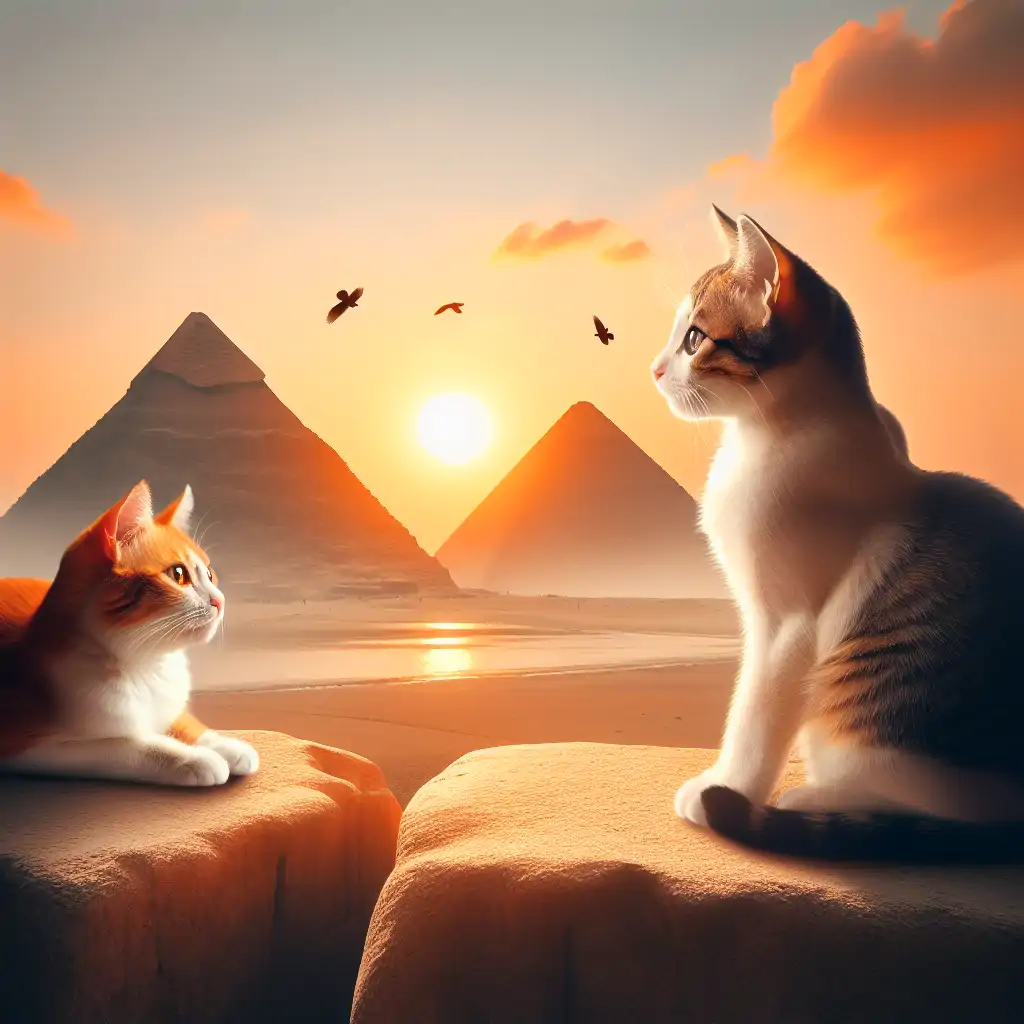
As we draw our whimsical journey through ancient Egypt to a close, we find ourselves in awe of the cosmos that shaped their adoration of cats. Revered and respected, cats wore traits of elegance, grace, and mystery, weaving their playful allure into the very fabric of Egypt's spiritual and social frameworks. Through Bastet’s protective gaze, Egypt found respite in both battle and hearth, showcasing the multifaceted persona lacking in monotonous deities. But more than strength and mysticism, it was perhaps the tranquil comfort of a cat's purr—a gentle reminder of life's simple joys—that resonated profoundly with the Egyptians.
The enduring bond with our feline companions transcended the daily din to reverberate throughout the land, moving seamlessly between realms of the divine and the mundane. Whether warding off vermin or galaxies, these agile sentinels became steadfast confidants and esteemed partners in pursuit of cosmic harmony. Through afterlife beliefs and everyday antics, cats became immortalized in Egyptian lore, echoing through halls adorned in solemn grandeur and lively whispers.
Today, as we survey the glittering stretch of Cairo's horizon or witness a cat lazily stretching beside our streaming screen, we indulge their ancestor's legacy—one mêlasse of marvel and mirth, consistently capricious yet harmoniously balanced—a tribute to the endearing tableau that is Egypt's undying ailurophilia.
Thanks for taking the time to read my article! You may also find this one interesting.
The Leprechaun's Lucky Loopholes: Ireland's Crafty Gold Guardians!Til next time! Prijanka

Prijanka
Prijanka is a wellness coach and inspired blog writer. Drawing from her expertise in holistic health and her talent for motivating others, she writes insightful articles that empower readers to live healthier, more balanced lives, blending practical advice with a genuine passion for well-being.
A proud member of the B-Team
If you're curious to dive deeper into related topics, then you may find these external links useful.
1. Bastet: The Egyptian Cat Goddess
An overview of Bastet's role in Egyptian mythology, including her dual nature as a protector and a goddess associated with cats.
https://mythologysource.com/bastet-egyptian-goddess/2. Ancient Egypt and the Reverence for Cats
A detailed exploration of the cultural significance of cats in ancient Egypt, highlighting their symbolic and practical roles.
https://www.history.com/news/cats-ancient-egypt3. The Symbolism of Cats in Egyptian Art
An analysis of the representation of cats in Egyptian art and iconography, illustrating their importance and reverence in society.
https://www.history.com/news/cats-ancient-egypt4. Cats in Egyptian Religion and Society
An academic article discussing the integration of cats into Egyptian religious practices, social customs, and daily life.
https://daily.jstor.org/why-ancient-egyptians-loved-cats-so-much/5. Exploring Bastet's Temples and Worship
Insights into the archaeological and historical aspects of temples dedicated to Bastet, including festivals and ceremonies.
https://www.historyskills.com/classroom/ancient-history/bastet/©2023 - 2026 SP Software Solutions Ltd. All rights reserved.