The Tanuki Tango: Japan's Mischievous Shape-shifter!
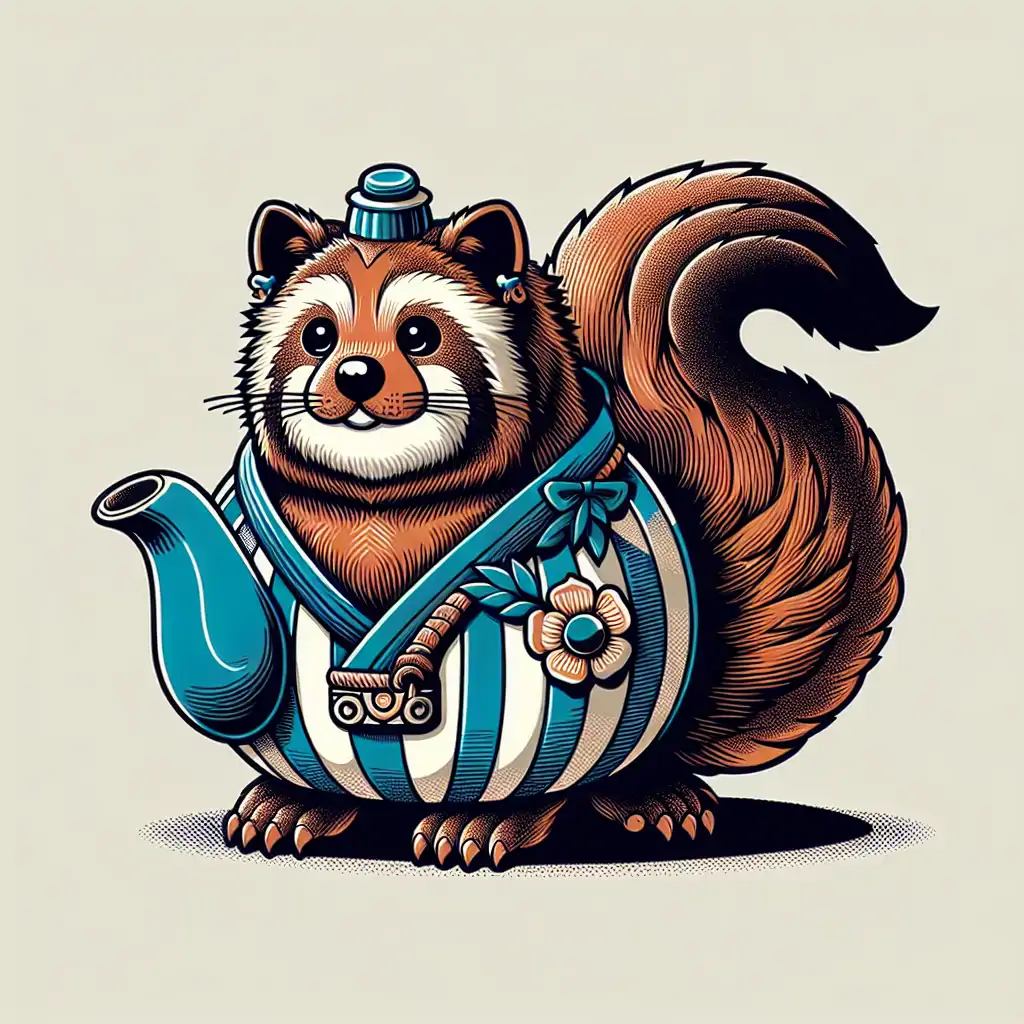
Step into the whimsical world of Japan's Tanuki, a creature that embodies both enchantment and mischief. Known as the magical raccoon dog, the Tanuki has long captured the imaginations of people through its legendary ability to shape-shift and its playful antics. From ancient folkloric tales that speak of Tanuki leading unsuspecting travelers through enchanted, misty paths to modern animations that see them stirring up trouble, these furry tricksters have taken a firm place in the realm of Japanese mythological creatures. But what makes the Tanuki so enduring? Perhaps it's their unique blend of charm and cheekiness, or maybe it's the timeless allure of their shape-shifting magic? Join us as we embark on a lively exploration of Tanuki folklore, uncovering their mysterious attributes, their curious tastes for sake, and even some rather unusual talents. Get ready for a delightful romp through the centuries as we untangle the furry folklore of Japan’s beloved Tanuki!

The Tanuki, often referred to as the raccoon dog, is indigenous to Japan and parts of East Asia. More than just an animal, the Tanuki weaves a tapestry of mythological marvels with its cunning character and shape-shifting prowess. Ancient tales depict Tanuki as beings who can turn into just about anything, from majestic humans to everyday objects like teapots. Their ability to morph keeps people guessing and adds an element of tantalizing surprise that delights those immersed in folklore. Not mere mischief-makers, Tanuki serve as symbols of transformation and adaptability, having survived the waves of cultural evolutions in Japan. This shape-shifting nature has enabled them to remain relevant, evolving from painted prints in ukiyo-e to modern films and animations. The Tanuki represents the whimsical spirit of creativity that thrives despite the rigidity of reality.
But what truly sets Tanuki apart in Japanese mythology is their unparalleled talent for pranks and revelry. Known for leading travelers astray with clever tricks, Tanuki have been blamed for bewildering those who dare wander through the forests after sunset. By disguising themselves as lanterns or enticing teapots, they confound and entertain, embodying a spirit of merriment that is central to their legend. Underneath the trickery is a gentle nod to the universal appeal of lighthearted chaos. The humor invoked by these tricks extends beyond folklore, echoing in today’s tales where Tanuki engage in belly-drumming performances, often with exaggerated anatomy. This combination of playful humor and inexplicable magic keeps the Tanuki alive in both past and present narratives, offering laughter as a balm against the mundanity of everyday life.
A pivotal aspect of Tanuki lore involves their fondness for sake, lending them an added layer of festivity. Legends often paint Tanuki as jolly creatures, their fondness for this drink often leading to tales of merry feasts. Whether depicted as sake bearers enjoying a drunken tumble or community tavern-goers exchanging cups, they encapsulate the joy of celebration. Through these depictions, the Tanuki plays a metaphorical role, highlighting the importance of sharing joy and finding camaraderie in revelry. Their love for sake not only adds depth to their character but also serves as an enduring symbol of togetherness, enriching the societal functions ingrained in Japanese culture. By indulging in the festive, carefree side of life, Tanuki remind us to break away from the seriousness and embrace the ecstasy of the moment.
In terms of physical representation, Tanuki are often depicted with certain exaggerated features that contribute to their mythical charm. From their large bellies, known as 'hachi' or eight treasures, to their disproportionately large eyes that symbolize alertness, each characteristic bears symbolic meaning. The exaggerated belly carries a humorous intent, further enhanced by tales of Tanuki using their bellies as drums in festive scenes. Representations stretch from detailed woodblock prints that celebrate their quaint appearance to ceramic statues that greet guests outside local establishments. Their form in art and stories brings these legendary creatures to life, celebrating their distinct appearance in ways that are cherished and respected across generations. The Tanuki’s physical traits serve as an intrinsic part of their mythos, reminding us that what may seem odd or comical holds deeper cultural significance.
A comprehensive exploration of Tanuki cannot overlook their fascinating intertwining with modern media. Tanuki have gracefully transitioned into popular culture, appearing in films, books, and even video games. One notable example is Studio Ghibli’s 'Pom Poko,' which vividly captures the delightful chaos and magical exploits of these creatures. Through animation, Tanuki are reimagined, bridging the gap between tradition and technology. The adaptability of Tanuki into modern narratives is a testament to their relevance; their stories resonate widely, preserving their mythical essence while reaching new audiences. In gaming, Tanuki serve as quirky companions, featuring as power-ups or lovable characters, their unmistakable charm effortlessly transcending media. By seamlessly integrating into contemporary culture, they ensure a continual legacy, their antics consistently providing entertainment and introspection for audiences worldwide.
This seamless integration of Tanuki lore into both historical and contemporary script can be attributed to the wider symbology they embody. Beyond their antics, Tanuki serve as harbingers of transformation and adaptability. They remind us of the broader theme of change and the beauty of embracing life’s unpredictabilities. In a society deeply rooted in tradition, the Tanuki’s ability to morph reflects the balance between holding onto cultural roots and adapting to new challenges and changes. Thus, their stories often serve as subtle allegories for resilience, courage, and transformation. Through the playful mischief of Tanuki, there is a deeper narrative at play — one that reinforces the principles of adaptability and resilience. This blending of motifs keeps Tanuki tales deeply entrenched within cultural narratives, their wisdom woven into the very fabric of folklore.
The cultural impact of Tanuki extends beyond myths and stories, finding a place in architectural craftsmanship. Statues of Tanuki are commonly found outside homes and restaurants, believed to bring prosperity and happiness. These statues often hold a bottle of sake and bear jolly expressions, welcoming patrons with warmth and luck. By positioning Tanuki at the entrances, a symbolic invitation is made for guests to enjoy the laughter and empathy of these merry creatures. This presence transcends mere decorations, serving as culturally significant artifacts that promote positivity and fellowship. Tanuki statues become more than just art; they become talismans that inspire the virtues held dear within Japanese culture. Their presence offers a grounded way for individuals to connect with historical tales and the whimsy that Tanuki embody.
The mischievous reputation of Tanuki may lead one to wonder if they possess any redeeming qualities, but their gentle nature suggests otherwise. Despite being tricksters, Tanuki tales often end with lessons learned, underscoring their benevolent intentions. In stories where they conspire against cruel landlords or aid struggling villagers, Tanuki are seen as protectors, representing justice through humor and cunning. Their mischievous behavior often challenges societal norms, offering insight into the world’s duality. Through their antics, they engage a sense of reflection, blending humor with wisdom in such a way that even pranks generate meaningful narratives. This aspect of Tanuki character resonates with audiences, affirming their position as both troublemakers and teachers. Their balance between merriment and morality reflects the complexity of human nature and the importance of seeing beyond the superficial.
Thus, the Tanuki's place in Japanese folklore is one of delicate balance. They straddle the line between the real and the fantastic, merging theatrics with sincerity. As wanderers of the night adorned in fluffy coats, they reflect both the frivolous joys of randomness and the necessity of adaptation. While humor and confusion may be their signature traits, the Tanuki also represent cherished virtues like community and resilience. Worldly revelers, they stand as reminders that life’s pleasures often reside in unexpected places. By embracing our own imperfections and diversity, we adopt the Tanuki ethos — finding magic nested deeply within authenticity. The enduring fascination with Tanuki reverberates through diverse cultural representations: from folktales passed down through generations to their mischievous antics decorating modern entertainment. They represent a component of folklore that champions imagination, joy, and the passion to seize life’s elusive transformations.
Everywhere the tale of the Tanuki is told, it carries with it an undercurrent of enchantment and happiness. After all, the whimsical Tanuki not only thrives on mischief but flourishes within mythological mess. They inspire narratives where boundaries blur between reality and illusion, where magic is intertwined with daily life. The charm of the Tanuki survives through the stories they inspire, prompting countless eager retellings that ensure their perseverance. Whether through shadowy legends or animated representations, Tanuki continue to provoke curiosity and smiles. Their timeless nature perpetuates across cultures, their transformative abilities symbolically resonating with those who hear of their deeds. As we traverse through tales of the Tanuki, we find reminders to embrace our whimsical selves. By laughing with them, exploring their tricks, and cherishing their stories, we not only honor the Tanuki but also an era where everything is possible, and nothing is ever quite as it appears.

In conclusion, the legendary Tanuki continue to captivate imaginations with their magical transformations and playful antics. Their enduring presence in both folklore and modernity highlights the charm and depth these creatures bring to Japanese mythology. From ancient scrolls to digital screens, the Tanuki is a celebrated character renowned for its tricks and tales of transformation. As we laugh and learn with the Tanuki, we are invited to embrace a unique sense of wonder, transforming our perceptions of the ordinary into the extraordinary. Their legacy is a joyful reminder to cherish the unpredictable and to find magic in every corner of life. So let the sprightly Tanuki lighten your heart, and carry forth their stories of mischievous joy for generations to come.
As these furry shape-shifters dance their way through our collective imaginations, we find a delightful blend of humor and wisdom in their tales. The Tanuki's significance stretches far beyond their pranks, touching on themes of adaptability, resilience, and the celebration of community. These elements make Tanuki not just folklore figures but beloved symbols of joy and festivity. Whether sharing sake under the starlit sky or leading us on wild chases through misty paths, Tanuki beckon us to shed seriousness and invite playfulness into our lives. With each tale told, they reaffirm life's lighter side, reminding us that the true magic lies in laughter.
Enveloped within their trickery and joy are lessons that resonate universally, echoing through time as enduring fables of enchantment and optimism. As we continue to tell the tales of the Tanuki, we and successive generations embrace the message of joyfulness. In doing so, we pay homage to a culture rich in stories and in spirit. Let the Tanuki's laughter echo as an invitation — inspiring us to revel in the beauty of chaos and the wonders of transformation. In this ever-changing world, they teach us that life, much like a Tanuki, is filled with delightful surprises waiting to be discovered.

Prijanka
Prijanka is a wellness coach and inspired blog writer. Drawing from her expertise in holistic health and her talent for motivating others, she writes insightful articles that empower readers to live healthier, more balanced lives, blending practical advice with a genuine passion for well-being.
A proud member of the B-Team
If you're curious to dive deeper into related topics, then you may find these external links useful.
1. Tanuki Folklore
An in-depth exploration of the Tanuki's role in Japanese folklore, detailing their trickster nature, shape-shifting abilities, and cultural significance.
https://www.tanukistories.jp/post/unveiling-the-tanuki-japan-s-enigmatic-trickster2. Pom Poko by Studio Ghibli
An overview of Studio Ghibli's film 'Pom Poko,' which features Tanuki and their magical exploits, illustrating their adaptation into modern media.
https://en.wikipedia.org/wiki/Pom_Poko3. Tanuki Statues in Japan
A look at Tanuki statues outside homes and restaurants in Japan, explaining their symbolism of prosperity, happiness, and community.
https://www.tanukistories.jp/post/tanuki-in-japanese-culture4. Shape-shifting Creatures in Mythology
A comparative study of shape-shifting creatures in global mythology, including the Tanuki, highlighting their universal appeal and symbolic meanings.
https://www.icysedgwick.com/shapeshifting-creatures/5. Tanuki in Video Games
An analysis of the presence of Tanuki in video games, showcasing their role as quirky companions and their impact on popular culture.
https://www.blockfort.com/character-lists/tanukis/©2023 - 2026 SP Software Solutions Ltd. All rights reserved.